


CEPM has been organizing a Global Symposium of Project Management every year since 1992. CEPM is holding it’s 28th Global Symposium dedicated to the 2nd Global Project Management Forum on 14th – 16th in a virtual mode. There are top-notch 30 global Speakers in 6 Streams. 2000+ participants expected. For details please see: https://www.cepm.com/wpmf/
Implementation of projects on time…within budget…with quality is becoming most crucial for the country’s development. A project is rendered unfeasible through delays and time and cost overruns. Today’s world has no tolerance for slippages. A saving of even 1 day in completing a project, which is easily possible through exposure to latest project management knowledge, translates to tremendous overall savings for the organization and the country.
In 1992, CEPM had taken the innovative and the challenging step of organizing India’s First International conference on Project Management on the theme “New Dimensions in Project Management”. This historic project management conference was organized in association with United Nations Development Program (UNDP) and was supported by the Department of Economic Affairs, Ministry of Finance, Government of India. This laid the foundation for introducing scientific project management discipline in India.
In view of CEPM’s outstanding success in promoting project management, UNDP again associated with CEPM for their next two International conferences in 1993 and 1994. Since then CEPM has been organizing a widely acclaimed International project management global symposium every single year.
CEPM held it’s 27th Global Symposium which dedicated to the 1st World Project Management Forum Meet in New Delhi on 9th – 10th Dec 2019. It was an overwhelming success with 600+ participants from 116 organizations and 15 countries.
Global Symposium 2018 was held in association with the International Institute of projects and Program Management (i2P2M) from 10th – 11th December at hotel Le Meridien in New Delhi.
In 2017, CEPM had organized it’s 25th annual Global Symposium – a record feat worldwide!
Glimpse of Previous Symposiums
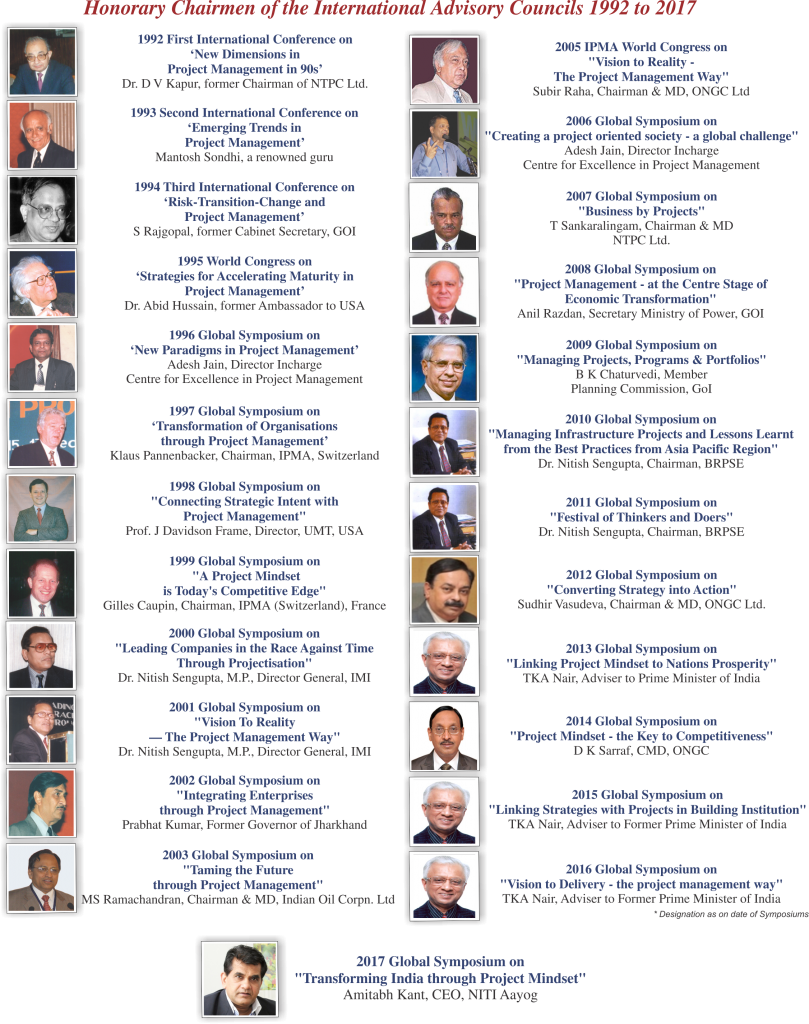


GS 2017
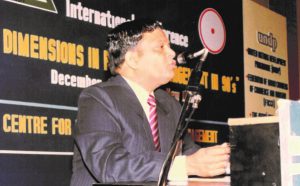
1992 / 93
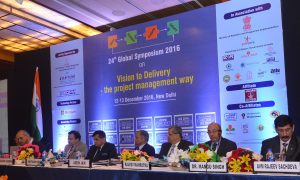
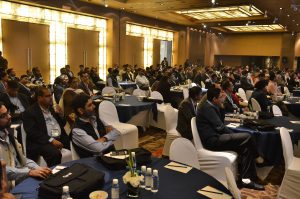
2016 / 2011

During 1992 – 2016, we had support from many Central Ministries and States, such as :
 Government of India
|
|
|

Department of Space, Government of India
|
|
|